Showing posts with label religion. Show all posts

Saturday, February 13, 2021

Constantinople.

 Constantinople (Κωνσταντινούπολις) (Constantinopolis) was the capital of the Byzantine Empire, the Latin Empire, the Ottoman Empire, and the Roman Empire in different periods.

In ancient times this place was a port city. Because Byzas from the Greek city of Megara created a settlement on the strait of Bosporus. On the strait the Mediterranean Seas and the Black Sea connected. He was the legendary founder of this city.

Later there were many rulers who controlled Constantinople. The Spartans, Athenians, Macedonians, and Persians fought for power.

Emperor Constantine I made a capital at Byzantium called "New Rome".

The Hagia Sophia is a famous architectural design work. This church was built by Justinian I. About six years 10, 000 workers created this building.

Constantinople saw different rulers and events. People with many religions visited this city.

In XIII century, Constantinople fell. It was in April 1204.

But this city kepts its history and buildings.

Source of image:

https://www.shutterstock.com/es/image-vector/drawing-sketch-illustration-ancient-constantinople-old-1507190906


Source of image:

https://www.shutterstock.com/es/image-photo/istanbul-turkey-october-16-2015fall-constantinople-334981871


Source of image:

https://www.shutterstock.com/es/image-illustration/istanbul-panoramic-illustration-hezarfen-ahmed-celebi-555553987


Source of image:

https://www.shutterstock.com/es/image-photo/istanbul-turkey-on-old-torn-map-64203682


Source of image:

https://www.shutterstock.com/es/image-vector/hagia-sophia-istanbul-turkey-vector-illustration-1192102474


Sunday, November 15, 2020

Byzantine Empire.

 Byzantium or Eastern Roman Empire (Imperium Romanum Orientale, Romania) (Βασιλεία Ῥωμαίων, Ῥωμανία) was a province in the late antiquity and early Middle Ages. Capital of Byzantium was Constantinople. This city was large.

The Byzantine Empire left after the Roman Empire.

This country had its own culture, laws, civilization, rules, and emperors. Byzantine Empire was powerful for that time.

People in this empire talked in Greek language. But they identified themselves as Romans. Their religion was Christianity.

Byzantine Empire was a wealthy country in the early medieval period. Eastern Roman Empire had its own schools and education.

This country had many wars during its history. Rulers of other counties wanted to conquer Byzantium.

Also, Byzantine Empire had many architectural works. Different churches and other buildings had their  own style for Middle Ages.

But later this empire lost some parts. Empire which existed several centuries fell.

Byzantine Empire left legacy. Other countries studied this history. During Renaissance (XIV-XVII centuries) culture of Byzantium helped scientists.

Source of image:

https://www.shutterstock.com/ru/image-photo/ancient-golden-byzantine-coins-emperor-portraits-418296661


Source of image:

https://www.shutterstock.com/ru/image-vector/vector-map-byzantine-empire-1351244093


Source of image:

https://www.shutterstock.com/ru/image-vector/emperor-empress-byzantine-royal-family-crown-1371897008


Saturday, June 20, 2020

Sociology.

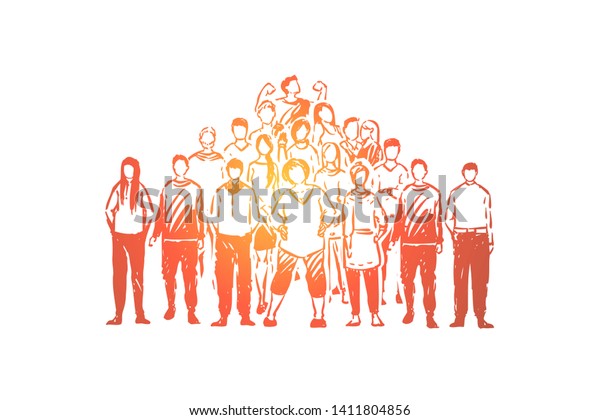
Sociology (Latin language socius means "companion" and Greek language λόγος means "knowledge") is an important field of study. This science is about society and life. People and their cultures are crucial for society.

Psychology, philosophy, and anthropology are related to sociology science. Relationships and human behavior are studied by sociology.

There are different social classes, periods, and religions. These things are studied in colleges and universities.

Many factors and events influenced sociology. People have different opinions towards different periods. Also, location affects society and people.

Problems and their solutions are part of sociology, too. Every person can say their own opinion about something or somebody.

Lifestyle is one form of this study. Thoughts, work, hobby, emotions, and health are important for it.

Economy and science about society are related. Fashion and different events can influence people.

Source of image:

https://www.shutterstock.com/ru/image-vector/young-faceless-people-friendly-relationship-friends-1411804856

Young faceless people, friendly relationship, friends togetherness, student team, demonstration, sociology. Happy colleagues posing for group photo concept sketch. Hand drawn vector illustration


Source of image:

https://www.shutterstock.com/ru/image-vector/sociology-word-cloud-concept-vector-illustration-1209844216

Sociology word cloud concept. Vector illustration

Source of image:

https://www.shutterstock.com/ru/image-vector/sociology-flat-concept-vector-illustration-school-1753744766

Sociology flat concept vector illustration. School subject. Social science metaphor. University course. Study of society. People interaction analysis. Student textbooks 2D cartoon objects

Sunday, May 17, 2020

Telesphorus.

Telesphorus (Τελεσφόρος) means "accomplisher". He was a god of convalescence in Greek religion. Also, he was a dwarf. Telesphorus wore a cap on his head.

His father Asclepius was a god of medicine in Ancient Greece. Hygieia, goddess of health, was his sister. Telesphorus accompanied her.

He had his own temple in Anatolia. There are many paintings and statues about this god.


Sunday, February 9, 2020

Philosophy.

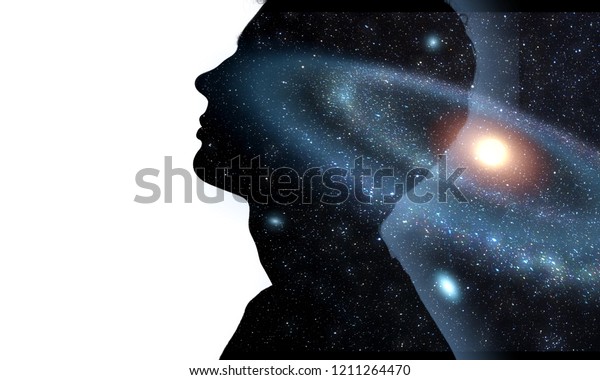
Philosophy (φιλοσοφία) is a study about knowledge and the mind. The word means "a love of wisdom" from Greek language.

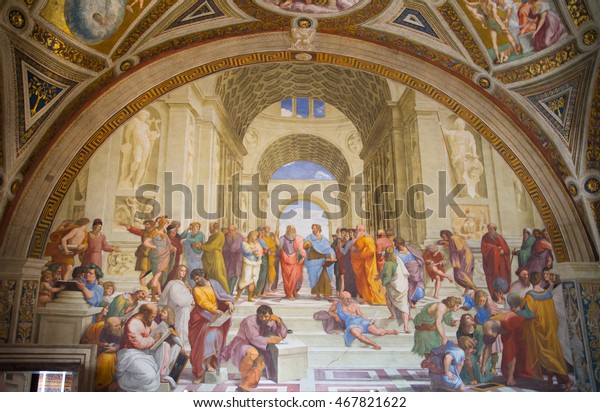
Many different scientists of periods were interested in philosophy. Countries had unique views about world. Plato, Socrates, and Confucius were philosophers.

Also, philosophy created many other sciences, such as: sociology, ethics, aesthetics, psychology, and etc. People studied something with philosophical views.

This science can help make logical conclusions. Many religions have philosophical aspects.

Since ancient times people wanted to ask questions about life and the universe. Philosophical views have changed throughout history.

This science has influenced art and architecture in the countries. Philosophers wrote books, created paintings.

Students study philosophy during school lessons or in university.

Source of image:

https://www.shutterstock.com/es/image-photo/universe-within-silhouette-man-space-brain-1211264470

El universo interior. La silueta de un hombre con el espacio como cerebro. El concepto sobre temas científicos y filosóficos. Elementos de esta imagen amueblada por la NASA.

Source of image:

https://www.shutterstock.com/es/image-photo/philosophy-words-wooden-blocks-letters-love-1634178940

Philosophy - words from wooden blocks with letters, love of wisdom philosophy concept, white background

Source of image:

https://www.shutterstock.com/es/image-photo/rome-italy-april-8-2016-school-467821622

ROME, ITALY - APRIL 8, 2016: The School of Athens, Raphael room's in Museums of Vatican.

Monday, February 3, 2020

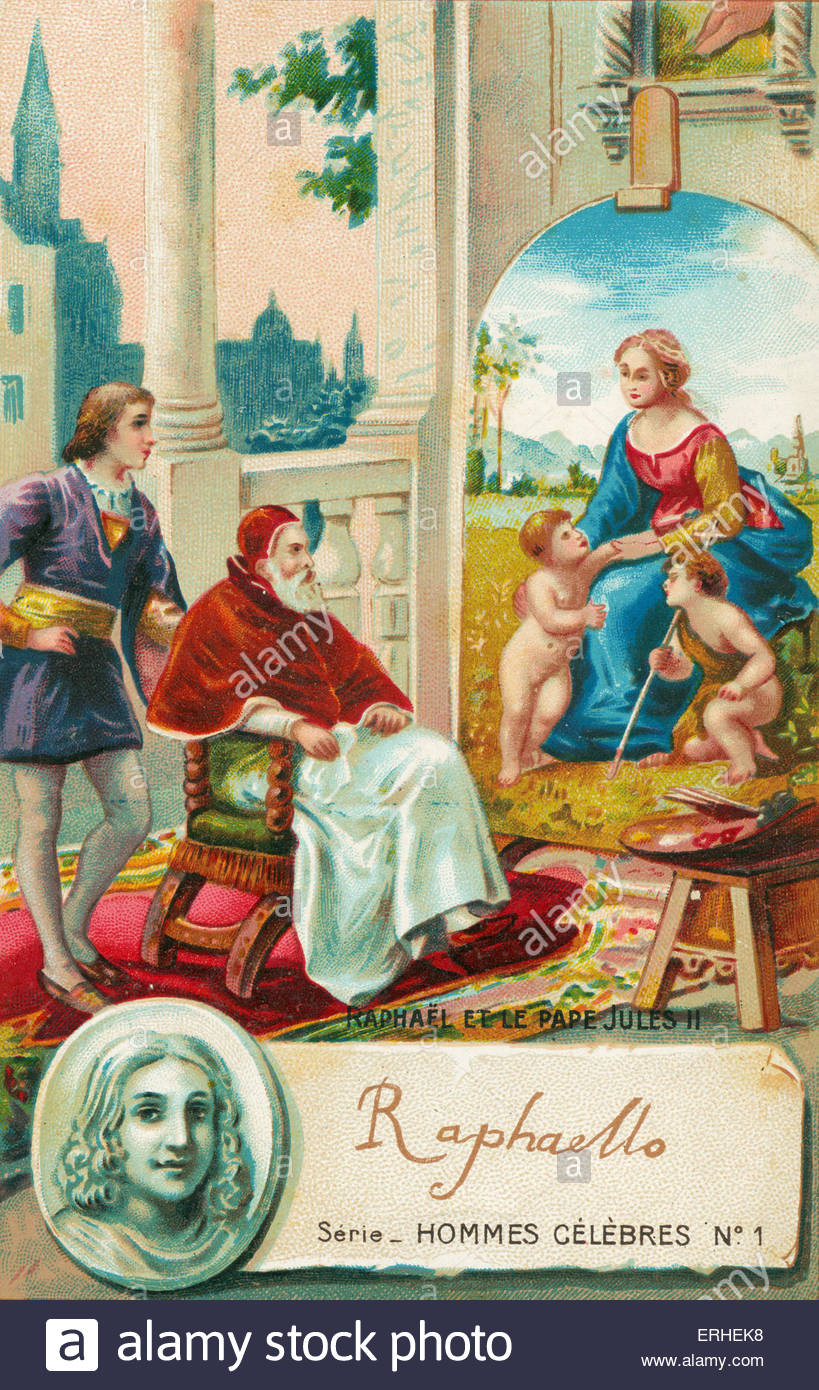
Great people: Raphael.

Raffaello Sanzio da Urbino was born on April 6, 1483, in Italy. His parents died when he was a child.

Raphael was known as an Italian artist and architect. He created many famous paintings, such as: Portrait of a Man (1502), Madonna and Child with the Book (1503), Self-Portrait (1503), the Conestabile Madonna (1504), Three Graces (1504).


The artist works were important for the Renaissance period. Raffaello Santi drew different people.


His paint the Sistine Madonna (1512) is one of the most popular works in the world.

Raphael Santi died on April 6, 1520, in Rome, Italy.


Sunday, January 13, 2019

Celts.

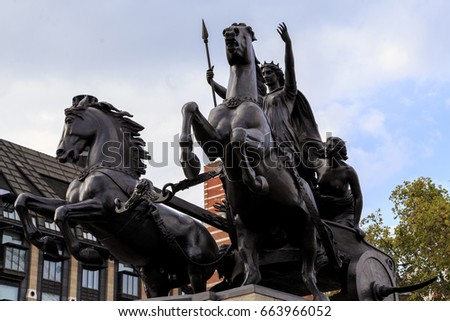
Celts were people who lived in Central and Western Europe. They had relationships with other civilizations, too.

These people visited neighboring places. Also, Celts had their own arts, mythology, culture, religion, laws, rules, and languages.

Timeline of Celts: beginning of Celtic culture (c. 1400 B. C. E.), Celts migrated (c. 900 B. C. E.), Iron age (c. B. C. E.-c. 600 B. C. E.), Celts settled in Iberia (600 B. C. E.), Celts defeated the Etruscans (c. 475 B. C. E.), La Tene culture (c. 450 B. C. E.), Celts entered in Italy (400 B. C. E.).

Some names of cities and countries had come from Celts. There are many things in museums about this civilization. Historians study Celtic history.

Source of image:

https://www.shutterstock.com/es/image-photo/london-great-britain-september-7-2014-663966052?src=pb6CeKkiQsxwkdbszDgZJw-1-75

LONDON, GREAT BRITAIN - SEPTEMBER 7, 2014: This is monument to Queen Boudicca - the leader of the Celts, the fallen in the defense of London in '61.

Source of image:

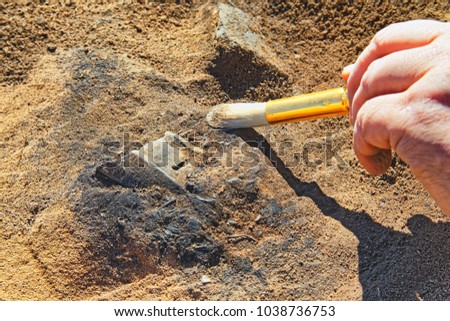
https://www.shutterstock.com/es/image-photo/rare-archeological-find-iron-age-1038736753?src=uzpwxdAgGseGfhxvhmRoqQ-2-19

A rare archeological find from the Iron Age

Monday, May 14, 2018

Inca Empire.

This civilization was situated in South America. Also, Inca Empire was the biggest country in pre-Columbian America. About XI-XVI centuries people had their own laws and rules.

The Inca called their country as Tawantinsuyu in Quechua language. Timeline of Inca Empire: The Inca tribe founded the city of Cuzco (1200 A. D.), people lived in the city of Cuzco (1200-1400 A. D.), Pachacuti Inca Yupanqui became the leader of Inca, he built the city of Machu Picchu (1438 A. D.), Pachacuti's son, named Tupac Inca Yupanui, became an emperor (1471 A. D.), Emperor Tupac won the Chuma Empire and their lands (1476 A. D.), Tupac's son, Huayna Capac, became an emperor (1493 A. D.).

Empire had its own army, religion, architecture, mythology, languages, economy, and government.

Some of it is still studied by historians.

Source of image:

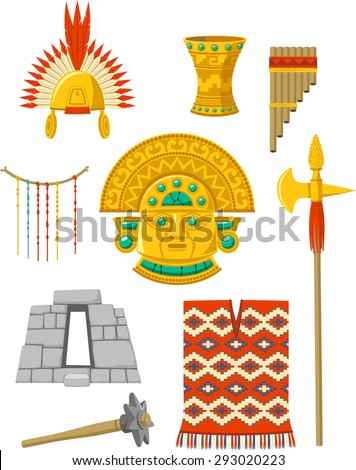
https://www.shutterstock.com/ru/image-vector/incas-elements-set-vector-cartoon-illustrations-293020223?src=lZYr1Q-AdKgBJK5P3BjSgw-1-7

Incas elements set vector cartoon illustrations

Source of image:

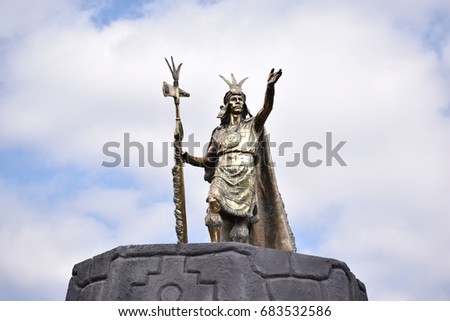
https://www.shutterstock.com/ru/image-photo/inca-statue-standing-high-square-cuzco-683532586?src=lZYr1Q-AdKgBJK5P3BjSgw-2-8

Inca statue standing high at a square in Cuzco Peru.

Source of image:

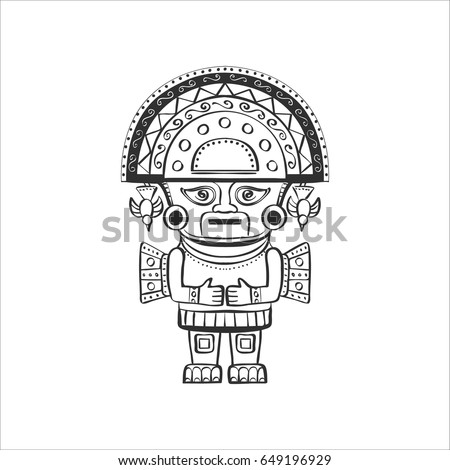
https://www.shutterstock.com/ru/image-vector/deity-incas-black-white-graphics-isolated-649196929?src=1yX7Z_TnT8C6IVxR78kR6A-1-11

Deity of the Incas. Black and white graphics, isolated on white background, the symbol of Peru

Monday, April 9, 2018

Maya civilization.

Maya civilization was situated in Central America. This country had its own history and cities. Writing, language, arts, religion, and architecture were important for them.

Timeline of Maya civilization: Archaic (8000 B. C.-2000 B. C.), Early Preclassic (2000 B. C.-1000 B. C.), Middle Preclassic (1000 B. C.-400 B. C.), Late Preclassic (400 B. C.-100 A. D.), Terminal Preclassic (100 A. D.-250 A. D.), Preclassic Collapse, Classic Period (c. 250-900 A. D.), Classic Maya Collapse, Postclassic period (c. 950-1539 A. D.).

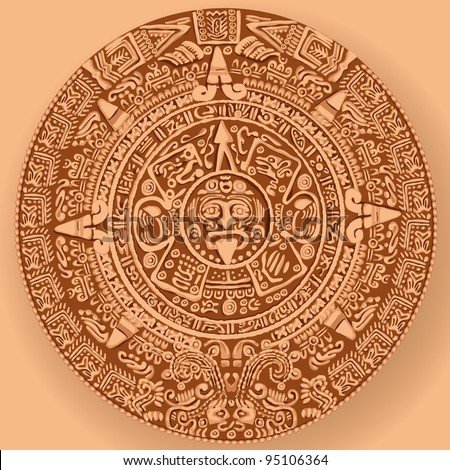
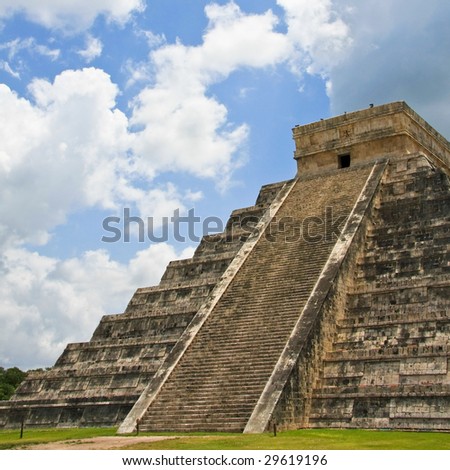
During this time country did a lot of things. The Maya people invented calendar. Also, they built pyramids.

Civilization had sales with each other and neighbourhood countries. Like all ancient civilizations Maya had unique culture, such as: laws, society, pottery, mythology, astronomy, goverment.

Source of image:

https://www.shutterstock.com/ru/image-illustration/mayan-calendar-copy-raster-95106364?src=8IZHTIJKC2gHAcjw_iNJ-w-1-68

Mayan calendar. Copy of the raster
Source of image:

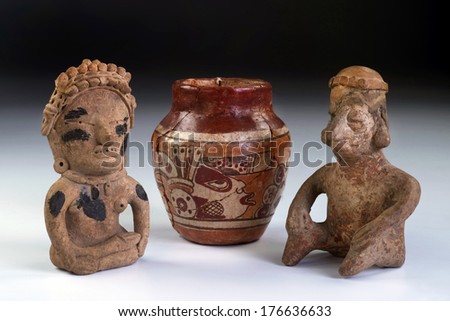
https://www.shutterstock.com/ru/image-photo/pre-columbian-warriors-pottery-made-600ad-176636633?src=8IZHTIJKC2gHAcjw_iNJ-w-1-37

Pre Columbian warriors and pottery made from 600AD to 100BC.  Mayan god painted on small pottery.

Source of image:

https://www.shutterstock.com/ru/image-photo/kukulkan-pyramid-chichen-itza-on-yucatan-29619196?src=8IZHTIJKC2gHAcjw_iNJ-w-2-14

Kukulkan Pyramid in Chichen Itza on the Yucatan Peninsula, Mexico

Wednesday, February 7, 2018

Sumer.

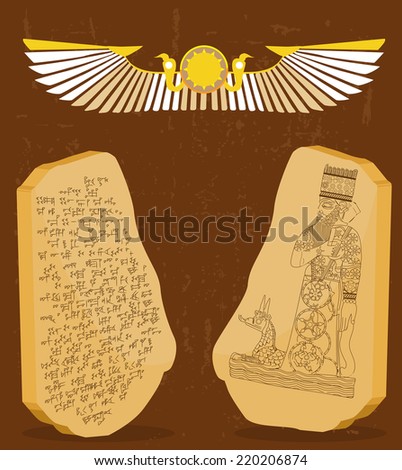
Sumer was one of the first civilizations in history. It was located in southern Mesopotamia. The period of this country was from Neolithic to Bronze Age (c. 4500-1900 B. C.).

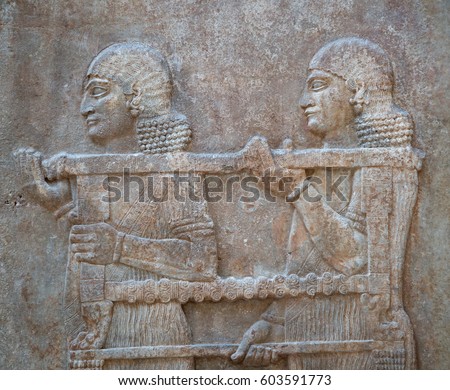
The Sumerians had their own language, art, literature, religion, and architecture. Tigris and Euphrates rivers were very important for it.

Also, Sumer had it's own timeline: Early Dynastic Period (c. 2900-2350 B. C.), Kish (c. 3100 B. C.), Uruk (4000-3200 B. C.), Ur (c. 3800 B. C.), Awan Dynasty (c. 2500 B. C.).

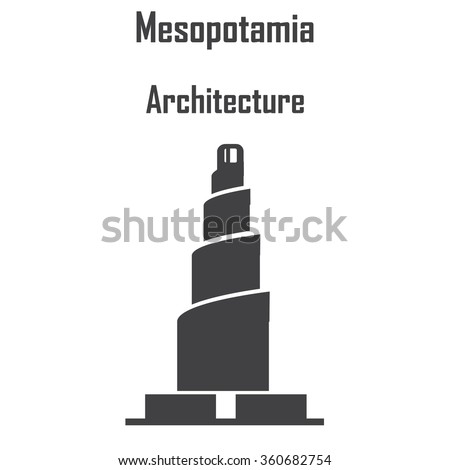
Different cities, kings, people, and empires were important for history of Mesopotamia. Laws and education were similar to the modern ones. Statues, temples, palaces, culture, dishes, and writing still cause a lot of questions.

Source of image:

https://www.shutterstock.com/nb/image-vector/drawings-sumerian-tablets-220206874?src=kBwzF5jCwRF8RYNX7DO6sQ-1-41

Drawings of the Sumerian Tablets.

Source of image:

https://www.shutterstock.com/nb/image-photo/ancient-sumerian-stone-carving-cuneiform-scripting-603591773?src=kBwzF5jCwRF8RYNX7DO6sQ-2-60

Ancient sumerian stone carving with cuneiform scripting

Source of image:

https://www.shutterstock.com/nb/image-vector/mesopotamia-architecture-ziggurat-icon-vector-360682754?src=kBwzF5jCwRF8RYNX7DO6sQ-4-77

Mesopotamia architecture, ziggurat icon vector.

Monday, December 4, 2017

Phoenicia.

Phoenicia was an ancient civilization in the Mediterranean Sea. Name of this country is translated from the Ancient Greek language as the "land of palm trees".

Country had its own important things for history. For example, in 334 B.C.E. Alexander the Great came in Phoenicia and conquered Baalbek.

Also, civilization had kings and cities. Ahiram (c. 1000), Hiram I (969-936 B. C.), Pygmalion of Tyre (820-774 B. C.). People in Phoenicia had Phoenician and Punic languages. Canaanite was the religion in this country.

Ancient civilization had trades with other ancient countries, such as: Egypt and Greece.

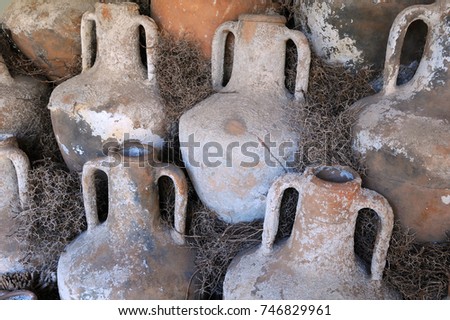
Source of image:

https://www.shutterstock.com/nb/image-photo/closeup-image-ancient-supposedly-phoenician-amphoras-746829961?src=6ExLsJGjd_qj-xefPy2UDg-1-27

Closeup image of ancient supposedly Phoenician amphoras in Turkey

Source of image:

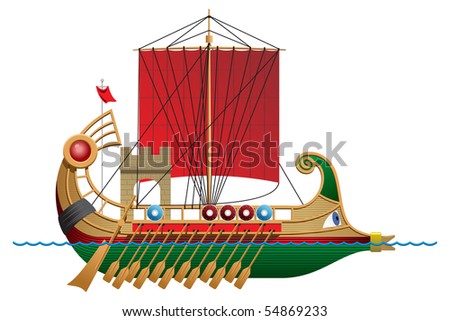
https://www.shutterstock.com/nb/image-vector/vector-illustration-antique-ship-simple-gradients-54869233?src=6ExLsJGjd_qj-xefPy2UDg-2-35

vector illustration of a antique ship. Simple gradients only - no gradient mesh.

Source of image:

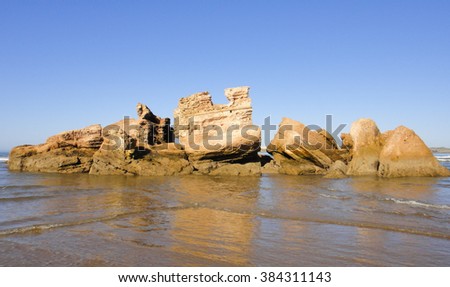
https://www.shutterstock.com/nb/image-photo/essaouira-ancient-phoenician-fortress-ruins-384311143?src=6ExLsJGjd_qj-xefPy2UDg-5-82

Essaouira ancient phoenician fortress ruins

Friday, March 17, 2017

St. Patrick's Day.

Saint Patrick was born in Britain at the end of the IV century A.D. When Patrick was sixteen-years-old, Irish pirates, captured and turned him into a slave, in Ireland. Also, Patrick became a bishop and spread Christianity. He died on March 17.

So, on this day people around the world celebrate St. Patrick's Day. Many families go to church. There are many icons with Patrick.

Green color is a symbol of this of this religious holiday. Many parades appear in cities around the world.

For men and boys named Patrick March 17 is an Angel Day.

Source of image:

https://www.shutterstock.com/fr/image-vector/saint-patricks-day-typographical-background-130439297?src=ZFIDJfAVNjFVuWVdq1ym0g-1-8

Saint Patrick's Day Typographical Background

Source of image:

https://www.shutterstock.com/fr/image-photo/st-patricks-day-lucky-charms-250551262?src=ZFIDJfAVNjFVuWVdq1ym0g-2-18

St. Patricks day, lucky charms

Source of image:

https://www.shutterstock.com/fr/image-photo/gold-piled-caldron-st-patricks-day-378115648?src=ZFIDJfAVNjFVuWVdq1ym0g-5-17

gold piled in caldron for st. patricks day

Saturday, November 14, 2015

Middle Ages.

Middle Ages (Medieval) was one of the hard periods in human history. In Europe, people forgot many important things such as science, civilization, washing, and etc.

Medieval period was during the fifth to fifteenth centuries. The New World still wasn't opened, Africa and Asia were first expericing civilization.

In this hard time, religion appeared. People began to believe in one God instead of many. Artists painted pictures and icons with new saints.

Also, during Middle Ages, people expericed a terrible disease. The bubonic plague called the "Black Death". This horrible ill killed several million people.

Church was very important for medieval people. They did everything to live in heaven. People didn't notice things which happened around.

In Middle Ages human survived crisis. It took several years to recover.

P.S. After Medieval period, began a new part of human history. But I will tell you about it next time.

Source of image:

http://www.istockphoto.com/photo/narrow-street-with-restaurant-6479048?st=c5f10e8


Source of image:

http://www.shutterstock.com/fr/s/medieval/search.html?page=3&thumb_size=mosaic&inline=237231865


Source of image:

http://www.shutterstock.com/fr/s/medieval/search.html?page=6&thumb_size=mosaic&inline=171916583


Saturday, November 7, 2015

Ancient Rome.

Ancient Rome was one of the great civilizations in Ancient History. It was founded in 753 BC by Romulus and Remus. The legend says these twin brothers were fed by a she-wolf.

Official language in Ancient Rome was a Latin. Now it is used in science. For example, medicine, and mathematics. The country contained central and South Europe and part of North Africa.

In Ancient Rome, people believed in many different Gods. Roman religion has similar things with Greek but is still different.

Ancient country participated in Punic Wars. Roman soldiers had special clothes for it.

Rome had own laws, system of education, family customs, cuisine, and etc. Some of them still exist in our life.

In Ancient times Rome was a big and great country. Today Rome is the capital of Italy. The name was left for European city. This is studied by archeologists and students. Because it's very interesting!

Source of image:

http://www.istockphoto.com/vector/burning-rome-in-1084-published-in-1878-73536425?st=ec8392e


Source of image:

http://www.istockphoto.com/photo/coliseum-9093350?st=9ee399d


Sorce of image:

http://www.istockphoto.com/photo/close-up-of-the-roman-bridge-72540765?st=a3d265f


Saturday, October 24, 2015

Ancient Greece.

Ancient Greece was one of the most great civilization in Ancient History. It was since III thousand B.C. until I century A.D.

In ancient country many different types of sciences, politics, laws, slavery, religion, theatre were developed. Many of them are still studied in schools. Example, Greek mathematician Pythagoras created Pythagorean theorem.

Relogion for the Greek was important. They believed in many different Gods. These myths and legends are studied in schools now. Also, people making cartoons and films. Ancient Greek mythology is one of the most interesting mythologies.

Also Greece is the Motherland of Olympic Games. There were Olympic Games long before modern. They were different.

Many theatrical genres come from Ancient Greece.

Life in Ancient Greece was easier than in Middle Ages. But when it was. It's very important for world history.

Source of image:

http://www.istockphoto.com/photo/myra-and-stone-mask-51519600?st=b7302e6


Source of image:

http://www.istockphoto.com/vector/farnese-bull-antique-engraving-46322372?st=a834a8e


Source of image:

http://www.istockphoto.com/vector/ancient-greek-medals-17-century-illustration-73140067?st=ed50eb4