Showing posts with label language. Show all posts

Saturday, May 14, 2022

Allegory.

Allegory (ἀλληγορία) (allegoria) is a type of artistic literary form. This word means "veiled language, figurative" from Greek language.

It shows a specific situation in a figurative sense. An allegory is like a metaphor.

This genre is popular in various art forms, such as: poetry, prose, painting, and etc.

Allegory was at different times and in different countries.

Many authors use this artistic genre for their works.

Source of image:

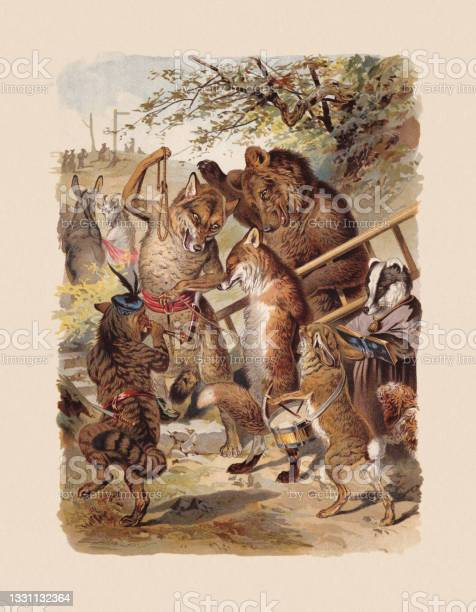
https://www.istockphoto.com/es/vector/camino-a-la-ejecuci%C3%B3n-escena-de-reynard-el-zorro-publicado-1898-gm1331132364-414356426


Source of image:

https://www.shutterstock.com/image-vector/plato-philosophy-allegory-cave-1799515657


Source of image:

https://www.shutterstock.com/image-illustration/birth-venus-by-alexandre-cabanel-1875-751012081


Saturday, January 15, 2022

Etruscan civilization.

The Enruscan (Etrusci) (Etruschi) (τυρσηνοί, τυρρηνοί) civilization was located in ancient Italy territory. They were before the Romans.

This civilization had its own society, culture, kings, laws, language, arts, mythology, and etc. 

The Etruscan was before the Romans. They were during Iron and Bronze Ages.

Later the Etruscan were assimilated into Romans.

This civilization had many different things. There are ceramics, statues, jewelry, cities from the Etruscan.

Source of image:

https://www.shutterstock.com/es/image-vector/vector-illustration-hand-drawn-etruscan-alphabet-793582603

Source of image:

https://www.istockphoto.com/es/foto/etrusco-tumba-gm1048233322-280385342


Source of image:

https://www.istockphoto.com/es/vector/estilo-de-vida-en-el-imperio-romano-trajes-de-la-antigua-roma-ilustraciones-gm1332804824-415540444


Sunday, November 15, 2020

Byzantine Empire.

 Byzantium or Eastern Roman Empire (Imperium Romanum Orientale, Romania) (Βασιλεία Ῥωμαίων, Ῥωμανία) was a province in the late antiquity and early Middle Ages. Capital of Byzantium was Constantinople. This city was large.

The Byzantine Empire left after the Roman Empire.

This country had its own culture, laws, civilization, rules, and emperors. Byzantine Empire was powerful for that time.

People in this empire talked in Greek language. But they identified themselves as Romans. Their religion was Christianity.

Byzantine Empire was a wealthy country in the early medieval period. Eastern Roman Empire had its own schools and education.

This country had many wars during its history. Rulers of other counties wanted to conquer Byzantium.

Also, Byzantine Empire had many architectural works. Different churches and other buildings had their  own style for Middle Ages.

But later this empire lost some parts. Empire which existed several centuries fell.

Byzantine Empire left legacy. Other countries studied this history. During Renaissance (XIV-XVII centuries) culture of Byzantium helped scientists.

Source of image:

https://www.shutterstock.com/ru/image-photo/ancient-golden-byzantine-coins-emperor-portraits-418296661


Source of image:

https://www.shutterstock.com/ru/image-vector/vector-map-byzantine-empire-1351244093


Source of image:

https://www.shutterstock.com/ru/image-vector/emperor-empress-byzantine-royal-family-crown-1371897008


Sunday, February 9, 2020

Philosophy.

Philosophy (φιλοσοφία) is a study about knowledge and the mind. The word means "a love of wisdom" from Greek language.

Many different scientists of periods were interested in philosophy. Countries had unique views about world. Plato, Socrates, and Confucius were philosophers.

Also, philosophy created many other sciences, such as: sociology, ethics, aesthetics, psychology, and etc. People studied something with philosophical views.

This science can help make logical conclusions. Many religions have philosophical aspects.

Since ancient times people wanted to ask questions about life and the universe. Philosophical views have changed throughout history.

This science has influenced art and architecture in the countries. Philosophers wrote books, created paintings.

Students study philosophy during school lessons or in university.

Source of image:

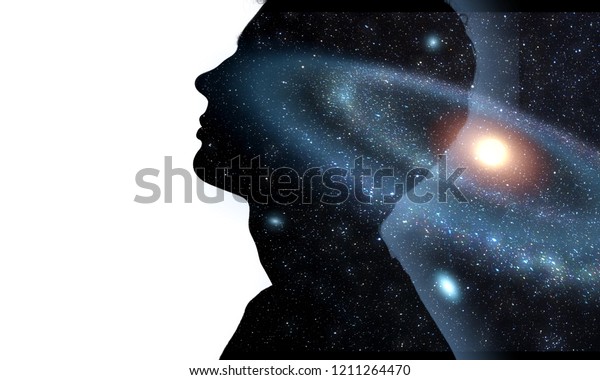
https://www.shutterstock.com/es/image-photo/universe-within-silhouette-man-space-brain-1211264470

El universo interior. La silueta de un hombre con el espacio como cerebro. El concepto sobre temas científicos y filosóficos. Elementos de esta imagen amueblada por la NASA.

Source of image:

https://www.shutterstock.com/es/image-photo/philosophy-words-wooden-blocks-letters-love-1634178940

Philosophy - words from wooden blocks with letters, love of wisdom philosophy concept, white background

Source of image:

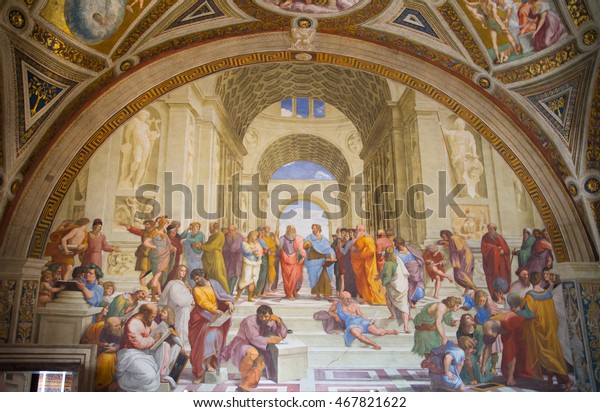
https://www.shutterstock.com/es/image-photo/rome-italy-april-8-2016-school-467821622

ROME, ITALY - APRIL 8, 2016: The School of Athens, Raphael room's in Museums of Vatican.

Friday, January 17, 2020

Anatomy.

Anatomy anatomē  (ἀνατομή) is a science about organisms. Ana aná (ἀνά) means "up" and témnō (τέμνω) "I cut" in a Greek language. There are different types of this science: anatomy of plants, anatomy of animals, anatomy of human. Also, anatomy is a part of biology.

This science studies about body functions, organs, and tissues. Anatomy has a long and interesting history. Scientists during many years study organisms. Leonardo da Vinci created a drawing named the Vitruvian Man.

Skeleton, muscles, bones, and vessels of the body are study by this science. School students learn anatomy with science. In the classroom may stand human skeleton or atlas with scientific words.

Anatomy is an important science. There are many interesting books, movies, and cartoons. It can be for children or students.

This difficult but need science is necessary for medicine.

Source of image:

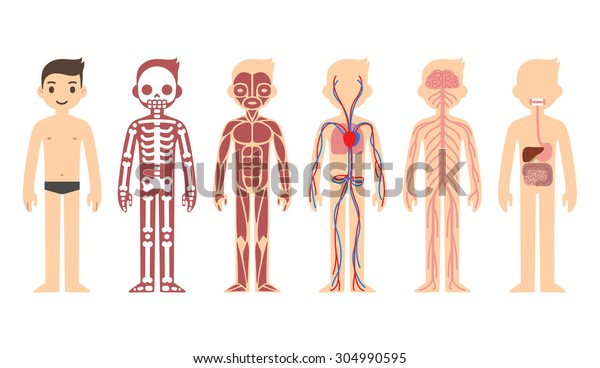
https://www.shutterstock.com/es/image-vector/body-anatomy-chart-skeletal-muscular-circulatory-304990595

Tabla de anatomía corporal: esquelético, muscular, circulatorio, nervioso y digestivo. Estilo de caricatura plano.

Source of image:

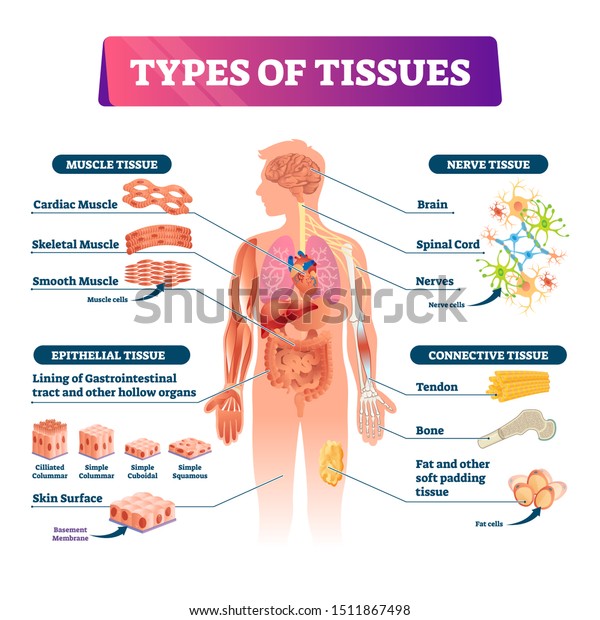
https://www.shutterstock.com/es/image-vector/types-tissues-vector-illustration-labeled-inner-1511867498

Tipos de ilustraciones vectoriales de tejidos. Esquema de estructura interna de órganos humanos. Diagrama científico y educativo con partes de fibras músculo, epitelial, nerviosa y congénita anatómica con ejemplos.

Source of image:

https://www.shutterstock.com/es/image-vector/illustration-biology-anatomy-trunk-tree-consists-1441257410

ilustración de la biología, anatomía de un tronco, El tronco del árbol consta de diferentes capas

Saturday, November 16, 2019

Biology.

Bio means "life" and logy means "study of" in a Greek language. This science is very important for different aspects. There are many people who study biology for their work. For example, doctors, in medicine this science is necessary.

Students start studying this subject in middle school. First they study about nature and organisms. Afterwards, children will know about cells and viruses. There are a lot of them and they are all different.

Animals and their life are part of biology, too. Scientific classification and habitat are studied by this science. Plants and flowers have own kingdoms in nature. Science about life talks about them.

The study of human body is called human anatomy. This is a separate science.

Biology has a long and interesting history. Microscopes help scientists make new discoveries. Food chains, evolutions, and genetics are part of this difficult but interesting subject.

Source of image:

https://www.shutterstock.com/es/image-vector/realistic-biology-concept-microscope-green-plant-1452048884

Realistic biology concept with microscope, green plant seedling in ceremic pot on background of books and stationery. Vector Molecular bio technologies in laboratory, back to school design.

Source of image:

https://www.shutterstock.com/es/image-vector/hand-drawn-biology-doodle-set-lettering-1098705527

Hand drawn biology doodle set. Lettering - Biology

Source of image:

https://www.shutterstock.com/es/image-vector/biology-hand-sketches-on-theme-note-489815152

Biology. Hand sketches on the theme of biology. Note book page paper. Vector illustration.

Friday, July 12, 2019

Liechtenstein.

Liechtenstein is a European country. It situated between Switzerland and Astria. Vaduz is a capital of Principality of Leichtenstein. Official language is German.

This country has its own government and history. Area of Liechtenstein is 160 km2. The Alps are situated in this European country. Also, there are forests and fields. Principality of Liechtenstein has a temperate climate.

European microstate had own symbols, such as: flag, anthem, and emblem. Liechtenstein has its own culture. Castles and music are part of it.

Source of image:

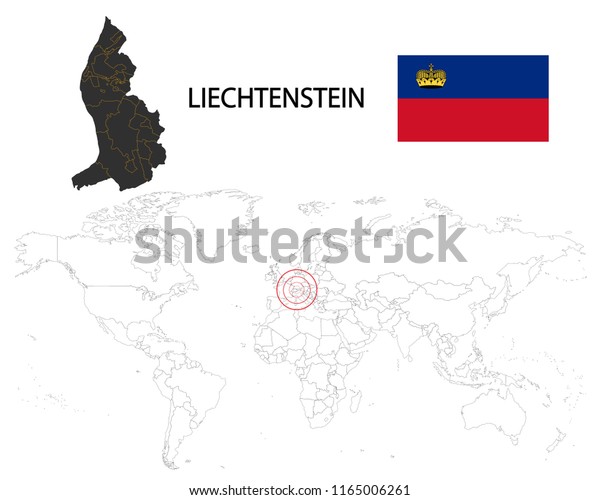
 https://www.shutterstock.com/es/image-vector/liechtenstein-map-on-world-flag-white-1165006261

Liechtenstein map on a world map with flag on white background,Map and National flag of Liechtenstein,Vector Illustration Flag and Map of Liechtenstein for continue.

Source of image:

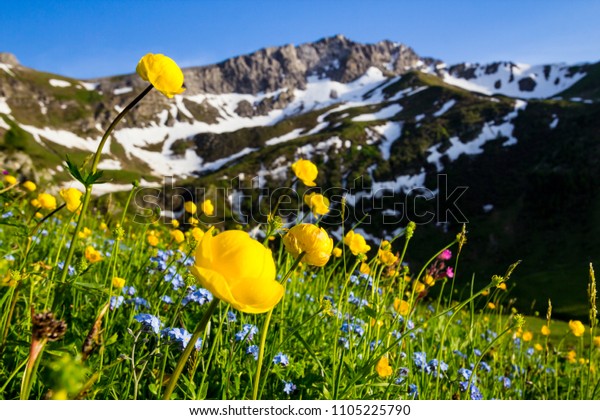
https://www.shutterstock.com/es/image-photo/blossoming-alpine-spring-meadow-globeflowers-mountains-1105225790

Blossoming alpine spring meadow with globeflowers and mountains in the background (Malbun, Liechtenstein, European Alps)

Soure of image:

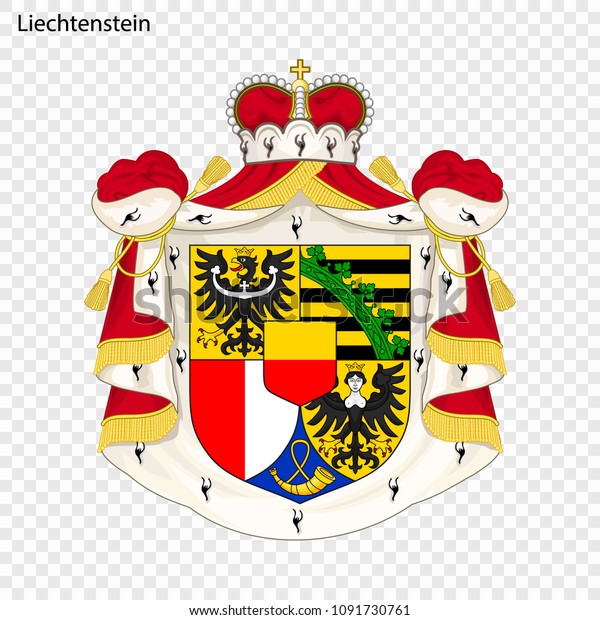
https://www.shutterstock.com/es/image-vector/symbol-liechtenstein-national-emblem-1091730761

Symbol of Liechtenstein. National emblem

Friday, April 19, 2019

Wednesday, December 12, 2018

Vikings.

Vikings were people who lived in Scandinavian Peninsula. They had their own culture, mythology, religions, travels, language, literature, and laws.

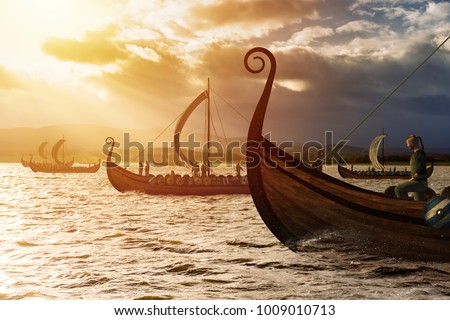
In VII-XI centuries these people had period known as the Viking Age (793-1066 A. D.). Viking had their own famous boats. Other countries wrote about Vikings.

People did voyages to neighbourhood countries. During wars Vikings used weapons.

After this period in Scandinavian Peninsula new countries appeared. But Vikings and their culture were important. Historians found statues of gods, helmets, maps, architecture, and etc.

Some of historic things are in museums. People can look at them.

Source of image:

https://www.shutterstock.com/de/image-illustration/viking-ships-on-water-under-sunlight-1009010713?src=uuevWf74roPz46dgObDdyA-1-2

Viking ships on the water under the sunlight and dark storm. Invasion in the storm. 3D illustration.

Source of image:

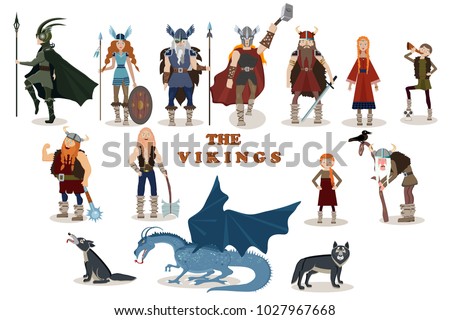
https://www.shutterstock.com/de/image-vector/vikings-viking-cartoon-characters-valkyrie-berserker-1027967668?src=uuevWf74roPz46dgObDdyA-1-35

The Vikings. Viking cartoon characters. Valkyrie, berserker, warrior, old man, god Odin, god Thor, wolves, dragon, girl, boy.Vector illustration. Flat style.

Source of image:

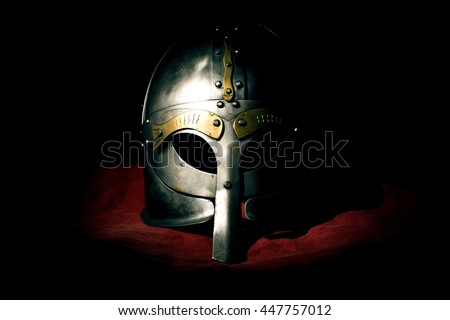
https://www.shutterstock.com/de/image-photo/viking-helmet-isolated-on-background-red-447757012?src=uuevWf74roPz46dgObDdyA-3-44

Viking helmet isolated on background a red material

Friday, June 15, 2018

Aztecs.

Aztecs lived in central Mexico. They created an empire.

This country had its own military, laws, society, calendar, language (Nahault), city-states, government, writing, mythology, and etc. It was during Pre-Columbian era.

Aztec civilization timeline: the first tribes appeared (1100 C. E. -1200 C. E.), this civilizzation became development (c. 1345 C. E.-1521 C. E.), the Aztec capital of Tenochtirlan on Lake Texcoco was founded (1345 C. E.), the Tarascan civilization flourished in Mesoamerica (1350 C. E.-1522 C. E.), New Fire ceremony celebrated by the Aztecs (1351 C. E.), Acamapichtli ruled as leader of the Aztecs (1375 C. E.-1395 C. E.), Huitzilopochtli reigned as leader of the Aztec empire (1396 C. E.-1417 C. E.), Chimalpopoca ruled as leader of the Aztec empire (1417 C. E.-1426 C. E.).

This ancient country is still study by historians.

Source of image:

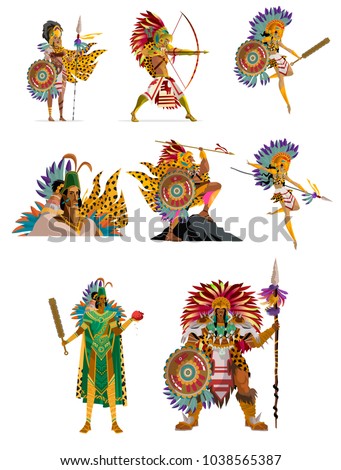
https://www.shutterstock.com/ru/image-vector/aztec-warriors-collection-1038565387?src=hT_8OzNHQci0SWg7lVwmzA-1-65

aztec warriors collection

Source of image:

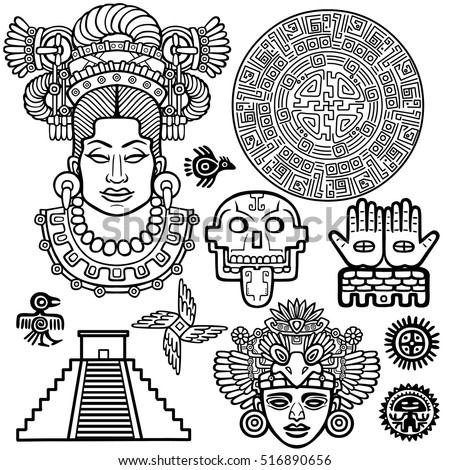
https://www.shutterstock.com/ru/image-vector/set-graphic-elements-based-on-motives-516890656?src=dwXABHCwU3pYOlTCSNMwiw-1-2

Set of graphic elements based on motives of art Native American Indian. Monochrome linear drawing isolated on a white background. Vector illustration.

Source of image:

https://www.shutterstock.com/ru/image-illustration/roughen-cut-aztec-symbol-icons-set-276232253?src=dwXABHCwU3pYOlTCSNMwiw-2-10

Roughen cut Aztec symbol icons set on white background

Monday, April 23, 2018

Tales from childhood: Caroline's new life.

Caroline must soon go to school. Her mother decided to take her to a special school. Caroline started a new language.

Sophie's cousin was mute. So, she was ready for special school. Sophie and her frineds often supported Caroline.

Grandmother knew this language. Sophie and Natalie studied it together. Friends tried to help poor Caroline in hard situations.

Monday, April 9, 2018

Maya civilization.

Maya civilization was situated in Central America. This country had its own history and cities. Writing, language, arts, religion, and architecture were important for them.

Timeline of Maya civilization: Archaic (8000 B. C.-2000 B. C.), Early Preclassic (2000 B. C.-1000 B. C.), Middle Preclassic (1000 B. C.-400 B. C.), Late Preclassic (400 B. C.-100 A. D.), Terminal Preclassic (100 A. D.-250 A. D.), Preclassic Collapse, Classic Period (c. 250-900 A. D.), Classic Maya Collapse, Postclassic period (c. 950-1539 A. D.).

During this time country did a lot of things. The Maya people invented calendar. Also, they built pyramids.

Civilization had sales with each other and neighbourhood countries. Like all ancient civilizations Maya had unique culture, such as: laws, society, pottery, mythology, astronomy, goverment.

Source of image:

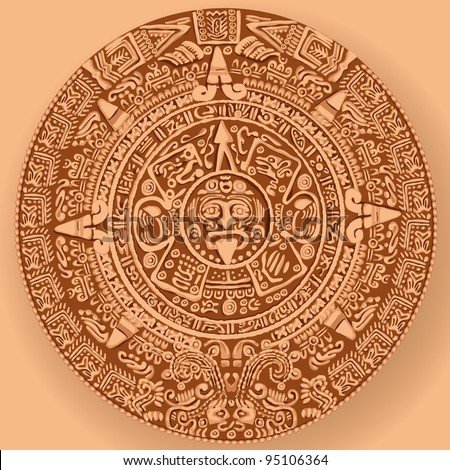
https://www.shutterstock.com/ru/image-illustration/mayan-calendar-copy-raster-95106364?src=8IZHTIJKC2gHAcjw_iNJ-w-1-68

Mayan calendar. Copy of the raster
Source of image:

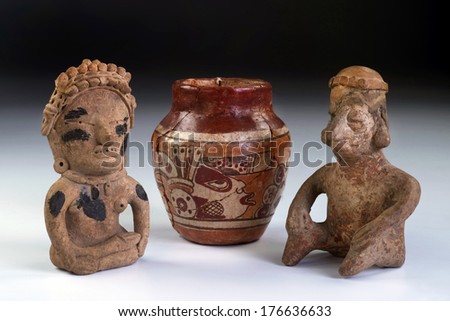
https://www.shutterstock.com/ru/image-photo/pre-columbian-warriors-pottery-made-600ad-176636633?src=8IZHTIJKC2gHAcjw_iNJ-w-1-37

Pre Columbian warriors and pottery made from 600AD to 100BC.  Mayan god painted on small pottery.

Source of image:

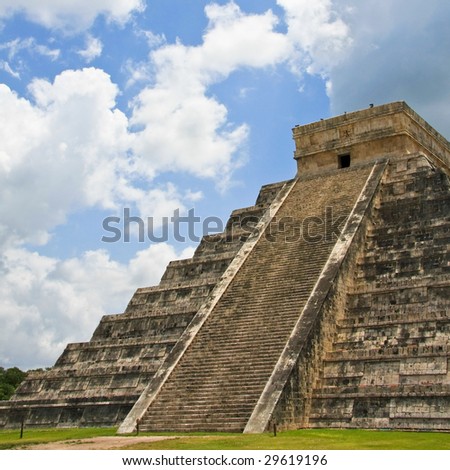
https://www.shutterstock.com/ru/image-photo/kukulkan-pyramid-chichen-itza-on-yucatan-29619196?src=8IZHTIJKC2gHAcjw_iNJ-w-2-14

Kukulkan Pyramid in Chichen Itza on the Yucatan Peninsula, Mexico

Friday, March 2, 2018

Famous people and their quotes. Part twenty two.

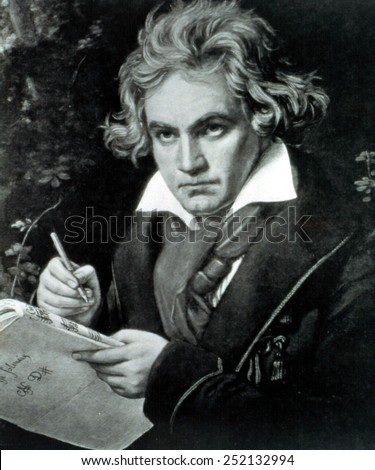
                                            Ludwig van Beethoven.

Source of image:

https://www.shutterstock.com/nb/image-illustration/ludwig-van-beethoven-252132994?src=osKPv7OQEgoSP1sQwTAwGw-1-3

Ludwig Van Beethoven

“Recommend to your children virtues that alone can make them happy. Not gold.”

“Never shall I forget the time I spent with you. Please continue to be my friend, as you will always find me yours.”

“Music is the mediator between the spiritual and sensual life.”

“To play without passion is inexcusable!”

“Don't only practice your art, but force your way into it's secrets, for it and knowledge can raise men to the divine.”

“Love demands all and has a right to all.”

“Anyone who tells a lie has not a pure heart and cannot make good soup.”

Source of information:

https://www.biography.com/people/ludwig-van-beethoven-9204862

Wednesday, February 7, 2018

Sumer.

Sumer was one of the first civilizations in history. It was located in southern Mesopotamia. The period of this country was from Neolithic to Bronze Age (c. 4500-1900 B. C.).

The Sumerians had their own language, art, literature, religion, and architecture. Tigris and Euphrates rivers were very important for it.

Also, Sumer had it's own timeline: Early Dynastic Period (c. 2900-2350 B. C.), Kish (c. 3100 B. C.), Uruk (4000-3200 B. C.), Ur (c. 3800 B. C.), Awan Dynasty (c. 2500 B. C.).

Different cities, kings, people, and empires were important for history of Mesopotamia. Laws and education were similar to the modern ones. Statues, temples, palaces, culture, dishes, and writing still cause a lot of questions.

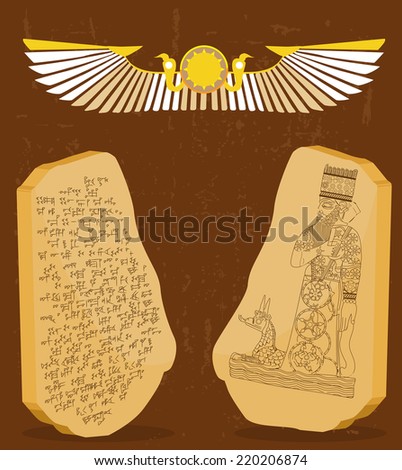
Source of image:

https://www.shutterstock.com/nb/image-vector/drawings-sumerian-tablets-220206874?src=kBwzF5jCwRF8RYNX7DO6sQ-1-41

Drawings of the Sumerian Tablets.

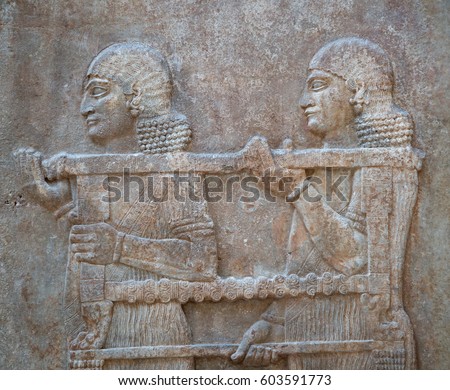
Source of image:

https://www.shutterstock.com/nb/image-photo/ancient-sumerian-stone-carving-cuneiform-scripting-603591773?src=kBwzF5jCwRF8RYNX7DO6sQ-2-60

Ancient sumerian stone carving with cuneiform scripting

Source of image:

https://www.shutterstock.com/nb/image-vector/mesopotamia-architecture-ziggurat-icon-vector-360682754?src=kBwzF5jCwRF8RYNX7DO6sQ-4-77

Mesopotamia architecture, ziggurat icon vector.

Saturday, February 3, 2018

Literature. Part thirty five.

                                     The Canterville Ghost by Oscar Wilde.

American ambassador Mr. Otis and his family arrived at a castle. The Otis family included Mr. and Mrs. Otis, the son Washington, the daughter Virginia, and the twins.

Not everyone believed in the ghost. But the strange things happened in the castle. Somebody thundered with chains. A red stain appeared on the floor.

Little Virginia wanted to meet the Canterville ghost. She disappeared in one day. All the members of the family looked for her but... Virginia appeared with jewels that were given to her by the ghost.

There are many movies, catoons, and theatrical plays about this novella. Book was translated in different languages.

Sunday, January 14, 2018

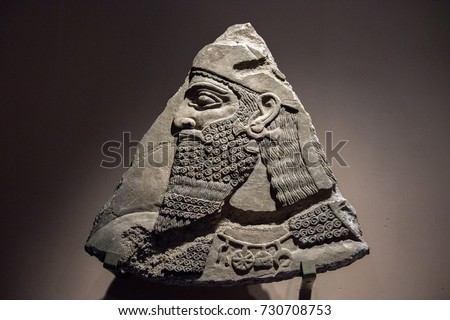
Assyria.

Assyria was a kingdom in Mesopotamia. Its capital was Assur city. Style of government was monarchy. One of official language was Sumerian. People believed in Mesopotamian gods.

There were many different periods in this country. Early Period (2600-2025 B. C.), Old Assyrian Empire (911-605 B. C.), Middle Assyrian Empire (1392-934 B. C.), Neo-Assyrian Empire (911-605 B. C.).

Each of them were very important for history. A lot of events happened in Assyria.

Ashurbanipal was the king of the Neo-Assyrian Empire (668-627 B. C.). He did a lot of things for his country. Ashurbanipal influenced military, arts, culture, literature.

Library of Ashurbanipal was a beautiful palace with clay tablets. Ancient legends and laws of country there archieved. Even after a fire during a war some clay tablets were saved.

Source of image:

https://www.shutterstock.com/nb/image-photo/ancient-babylonia-assyria-bas-relief-king-730708753?src=5UT0UYiqWWW1dkGIk_b93A-1-7

Ancient Babylonia and Assyria bas relief from king Ashurnasirpal Nimrud Palace

Source of image:

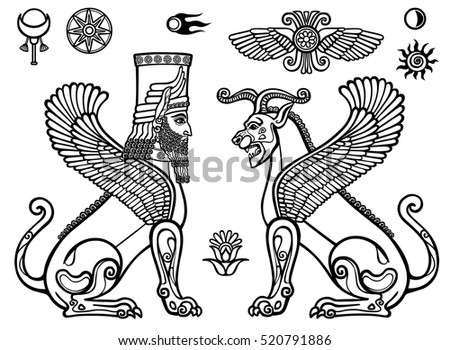
https://www.shutterstock.com/nb/image-vector/graphic-set-figures-assyrian-mythology-lion-520791886?src=5UT0UYiqWWW1dkGIk_b93A-1-61

Graphic set: figures of the Assyrian mythology - a lion  and a sphinx of people. Space symbols. Monochrome drawing isolated on a white background. Vector illustration. Be used for coloring book.

Source of image:

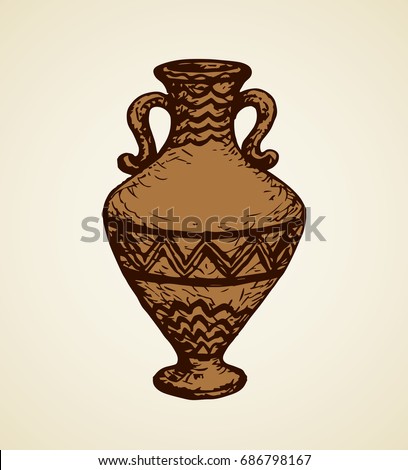
https://www.shutterstock.com/nb/image-vector/aged-assyrian-culture-bowl-container-isolated-686798167?src=5UT0UYiqWWW1dkGIk_b93A-2-26

Aged assyrian culture bowl container isolated on white backdrop. Freehand outline ink hand drawn object icon sketchy in vintage art etching graphic style pen on paper. Closeup view with space for text

Monday, December 4, 2017

Phoenicia.

Phoenicia was an ancient civilization in the Mediterranean Sea. Name of this country is translated from the Ancient Greek language as the "land of palm trees".

Country had its own important things for history. For example, in 334 B.C.E. Alexander the Great came in Phoenicia and conquered Baalbek.

Also, civilization had kings and cities. Ahiram (c. 1000), Hiram I (969-936 B. C.), Pygmalion of Tyre (820-774 B. C.). People in Phoenicia had Phoenician and Punic languages. Canaanite was the religion in this country.

Ancient civilization had trades with other ancient countries, such as: Egypt and Greece.

Source of image:

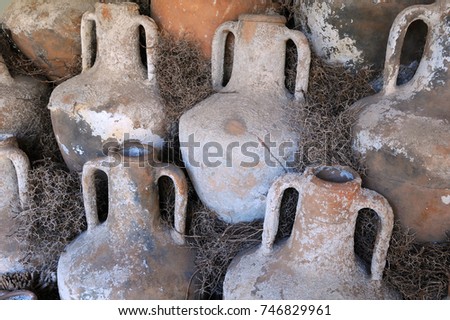
https://www.shutterstock.com/nb/image-photo/closeup-image-ancient-supposedly-phoenician-amphoras-746829961?src=6ExLsJGjd_qj-xefPy2UDg-1-27

Closeup image of ancient supposedly Phoenician amphoras in Turkey

Source of image:

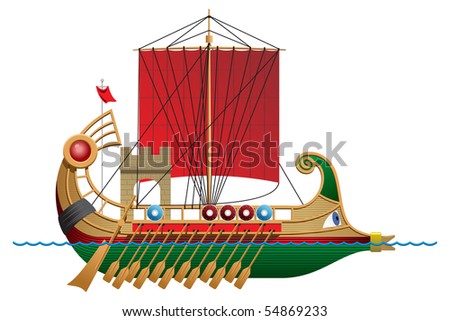
https://www.shutterstock.com/nb/image-vector/vector-illustration-antique-ship-simple-gradients-54869233?src=6ExLsJGjd_qj-xefPy2UDg-2-35

vector illustration of a antique ship. Simple gradients only - no gradient mesh.

Source of image:

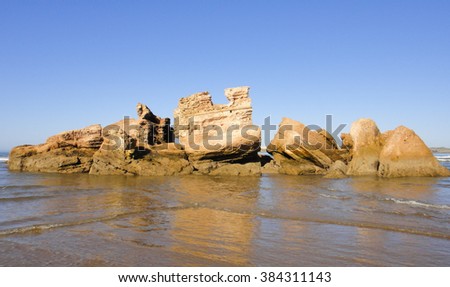
https://www.shutterstock.com/nb/image-photo/essaouira-ancient-phoenician-fortress-ruins-384311143?src=6ExLsJGjd_qj-xefPy2UDg-5-82

Essaouira ancient phoenician fortress ruins

Friday, October 6, 2017

Great people: William Shakespeare.

William Shakespeare was born on April 26, 1564, in England. His parents were John Shakespeare and Mary Arden.

In London William started writing. Also, he pursued a theatrical career. William Shakespeare was very influential for the world literature and English language.

Writer wrote many famous works such as: Romeo and Juliet, Otello, The Tragedy of Hamlet, Prince of Denmark (Hamlet).

His most frequent genres were drama and tragedy. Shakespeare's works are important for theatre, too. Also, he wrote plays and poems. Some characters became classic.

William Shakespeare married Anne Hathaway and they had three children. He died on April 23, 1616, in England.


Tuesday, August 1, 2017

Famous people and their quotes. Part fifteen.

                                                          Christopher Columbus.

Source of image:

https://www.shutterstock.com/ru/image-photo/christopher-columbus-statue-65361115?src=ocqvQehSK9dknYLHEM1Mfg-1-76
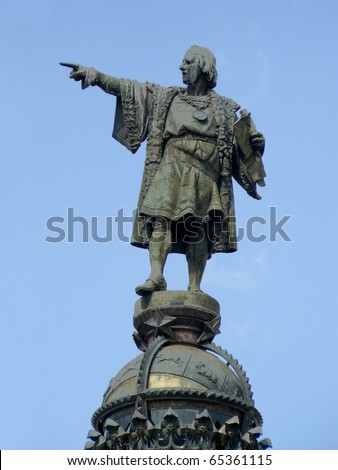
Christopher Columbus Statue

“They say that there is in that land an infinite amount of gold, and that the people wear corals on their heads and very large bracelets of coral on their feet and arms; and that with coral they adorn and inlay chairs and chests and tables.”

“Our Almighty God has shown me the highest favor, which, since David, he has not shown to anybody.”

“I have now seen so much irregularity, that I have come to another conclusion respecting the earth, namely, that it is not round as they describe, but of the form of a pear.”

“I ought to be judged as a captain sent from Spain to the Indies, to conquer a nation numerous and warlike, with customs and religions altogether different to ours.”

“Speaking of myself, little profit had I won from twenty years of service, during which I have served with so great labors and perils, for today I have no roof over my head in Castile; if I wish to sleep or eat, I have no place to which to go, save an inn or tavern, and most often I lack the wherewithal to pay the score.”

“This island and all the others are very fertile to a limitless degree, and this island is extremely so. In it there are many harbors on the coast of the sea, beyond comparison with others that I know in Christendom, and many rivers, good and large, which is marvellous.”

“I went to sea from the most tender age and have continued in a sea life to this day. Whoever gives himself up to this art wants to know the secrets of Nature here below. It is more than forty years that I have been thus engaged. Wherever any one has sailed, there I have sailed.”

Source of information:

https://www.biography.com/people/christopher-columbus-9254209
Tuesday, June 13, 2017

Mesopotamia.

Mesopotamia was situated on the Tigris and Ephrates rivers. Babylon was the most famous city in this country.

Great civilization was here since ancient times. Two rivers were very important for people in Mesopotamia. Also, Tigris and Ephrates have related with Persian Gulf.

Ancient Mesopotamia was translated as "Land Between the Rivers".

Mesopotamia as other ancient civilization had important history periods such as: The first city-states gradually develop (C. 500-3500 B. C.), Writing begins to be developed (C. 3500), King Sargan of Akkad conquered the first empire in history (C. 2300), the city of Ur becomes the Centre of a powerful Mesopotamian state (C. 2100), King Hammurabi of Babylon conquers a large empire (1792-49), Babylonia is conquered by the Kassites (C. 1530), the Mitanni conquer northern Mesopotamia (C. 1500).

Country had own laws, language, culture, and kings.

Source of image:

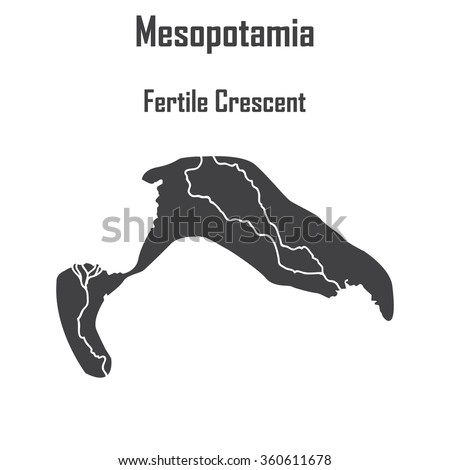
https://www.shutterstock.com/ru/image-vector/mesopotamia-fertile-crescent-map-vector-icon-360611678?src=gtSDg8uxi3mEFdHFxKpd4w-1-15

Mesopotamia, Fertile Crescent Map vector icon.

Source of image:

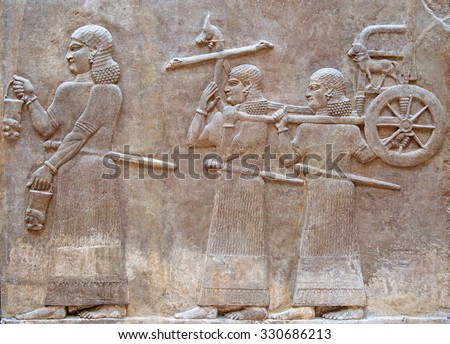
https://www.shutterstock.com/ru/image-photo/ancient-sumerian-stone-carving-cuneiform-scripting-330686213?src=gtSDg8uxi3mEFdHFxKpd4w-1-98

Ancient sumerian stone carving with cuneiform scripting

Source of image:

https://www.shutterstock.com/ru/image-vector/image-prophet-farvahar-set-esoteric-symbols-444068260?src=gtSDg8uxi3mEFdHFxKpd4w-1-36

Image of the prophet Farvahar. Set of esoteric symbols. The black silhouette isolated on a white background. Vector illustration.