Showing posts with label countries. Show all posts

Tuesday, September 1, 2026

Literature. Part hundred thirty eight.

                                              Around the World in Eighty Days by Jules Verne.

This adventure novel was published in 1872.

Phileas Fogg and his servant Jean Passepartout decided to go on a trip. They wanted to travel around the world in eighty days.

During this time, the characters met different people and had adventures. Phileas and Jean visited many countries. They traveled by train, elephants, sled, and etc.

This book has been translated into various languages. Also, there are many movies and cartoons about this story.

Tuesday, August 13, 2024

History.

History is many different periods. Countries have their own history. Cities and towns have their own history, too. 

Sometimes it helps to understand many things.

During centuries and thousands of years, buildings, art, and events have been created.

Source of image:

https://www.shutterstock.com/image-vector/history-education-school-subject-class-icons-2448200191


Saturday, May 14, 2022

Allegory.

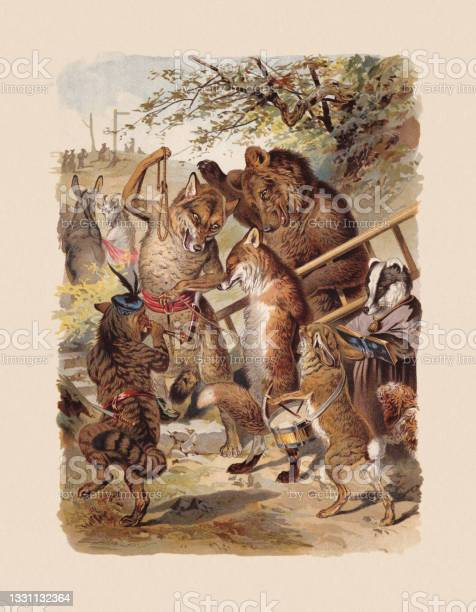
Allegory (ἀλληγορία) (allegoria) is a type of artistic literary form. This word means "veiled language, figurative" from Greek language.

It shows a specific situation in a figurative sense. An allegory is like a metaphor.

This genre is popular in various art forms, such as: poetry, prose, painting, and etc.

Allegory was at different times and in different countries.

Many authors use this artistic genre for their works.

Source of image:

https://www.istockphoto.com/es/vector/camino-a-la-ejecuci%C3%B3n-escena-de-reynard-el-zorro-publicado-1898-gm1331132364-414356426


Source of image:

https://www.shutterstock.com/image-vector/plato-philosophy-allegory-cave-1799515657


Source of image:

https://www.shutterstock.com/image-illustration/birth-venus-by-alexandre-cabanel-1875-751012081


Saturday, September 18, 2021

Tales from childhood: Visit to new countries.

 Sophie lived in her town. It was her Motherland. She was born here, little Sophie had many friends in this town. She didn't think about other places.

Once Mrs. M. and Sophie knew that Natalie visited other countries. This was a tour trip.

"I wonder how people live in other countries?" Sophie asked.

"Probably it's different and wonderful there," Mrs. M. said.

A few day later Natalie returned and told about that place.

"These countries are quite, similar to ours. Only there the weather is warmer." Natalie said about her journey.

Sophie thought that she should go to a new place, too. At least to a neighboring town.

Sunday, July 4, 2021

Great people: Miguel de Cervantes.

 Miguel de Cervantes Saavedra was a Spanish writer. He was born on September 29, 1547. Miguel de Cervantes was the fourth of seventh children. His parents were Rodrigo de Cervantes and Leonor de Cortinas.

Cervantes visited other countries.

His famous novel The Ingenious Gentleman Don Quixote of La Mancha or Don Quixote was translated many languages.

Miguel de Cervantes died on April 22, 1616.


Saturday, May 15, 2021

Iron Age.

 The Iron Age was a time period in human history. The Bronze Age was before it.

During this historic period people used many different iron and steel tools. Also, they made iron weapons.

Some civilizations collapsed during the Iron Age. The Mycenaean civilization in Greece were among them. Also, city Troy were destroyed. In these regions were droughts and famine.

After this time period Greece became Classical Greece. It was important time for country and its culture.

Iron tools helped people in different situations.

The Celts migrated during the Iron Age. They have left traces in many countries.

In Scandinavia the Viking Age began.

Different tribes created many artifacts during this historic periods.

Source of image:

https://www.shutterstock.com/image-illustration/agricultural-work-iron-age-vintage-engraved-1122922037


Source of image:

https://www.shutterstock.com/image-vector/series-vector-illustrations-archaeological-finds-excavations-124872310


Source of image:

https://www.shutterstock.com/image-illustration/cute-iron-age-farming-cottage-forest-1887636766


Saturday, April 11, 2020

Geography.

Geography (γεωγραφία) is a field of study. It means "earth description" from Greek language. There are two parts of this science: physical geography and human geography.

Physical geography studies about nature and the climate of our planet Earth. Oceans, forests, mountains are different. Somewhere there are volcanoes and hot weather. Somewhere there are plains and fields.

Also, science about Earth explained structure of the planet. Atmosphere, asthenosphere, hydrosphere, crust, rigid mantle, stiffer mantle, outer core, and inner core are parts of Earth.

Human geography is another part of the science about our planet. It studies about people and their countries. Population, economics, culture, politics, languages, territory are show human geography. Name of capitals and other cities of specific country.

Students study different parts of geography during school lessons. Maps and globes help with it. These subjects can be for physical and human geography.

This science is interesting.

Source of image:

https://www.shutterstock.com/es/image-vector/globe-maps-compass-others-school-subjects-775265689


Source of image:

https://www.shutterstock.com/es/image-vector/creative-illustration-geography-line-icon-632205098


Source of image:

https://www.shutterstock.com/es/image-vector/layers-earth-structure-strata-shown-scale-726253207


Wednesday, March 4, 2020

Great people: Marco Polo.

Marco Polo was known as an Italian explorer, writer, and merchant. He was born on September 25, 1254, in Venice. His parents were Niccolo Polo and Nicole Anna Defusesh.

Marco Polo's travels were important for medieval Europe and people. He and his relatives visited many differents parts of Asia.

Their travels lasted several years. Marco Polo noticed differences between European and Asian countries. He visited other Empires and brought some things and food back.

Polo's travel showed cultures of: India, China, Japan, and etc. In Middle Ages people of the West didn't know about them.

When Marco Polo returned to Europe he wrote a book named Book of the Travels of Marco Polo (1300). Christopher Columbus was inspired by this book.

Marco Polo had a wife: Donata Badoer. They had three daughters: Fantina, Bellela, and Moretta.

Polo died on January 8, 1324, in Venice.


Sunday, October 13, 2019

Naive art.

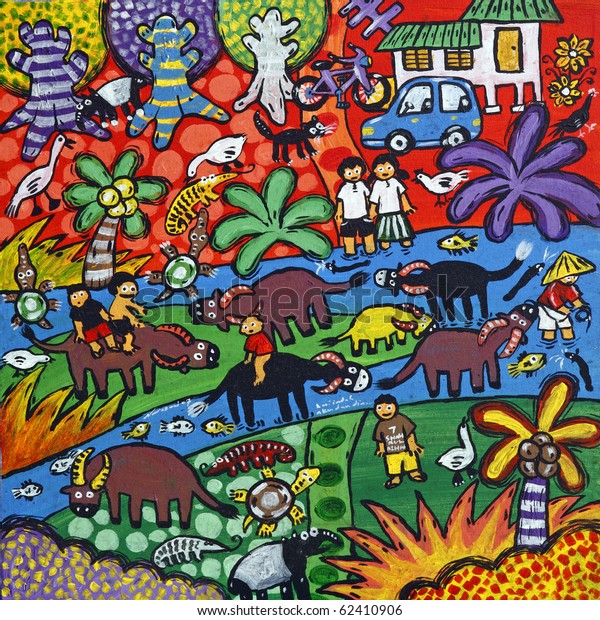
This type art is a part of primitivism. Naive art includes a lot of crafts, such as: architecture, sculptures, painting.

Primitivism appeared in XVIII century. There are graphics, applied arts, amateur performances in it.

Also, many works in naive art were created by self-taught artists.

In France this type of art appeared at the beginning of XX century. The Repast of the Lion (1907) by Henri Rousseau, is a painting of naive art.

This art exists in many countries.

Source of image:

https://www.shutterstock.com/es/image-vector/naive-art-cartoon-illustration-people-standing-457413352

Naive art or cartoon illustration of people standing and sitting in the train, commuter line theme

Source of image:

https://www.shutterstock.com/es/image-illustration/original-naive-art-acrylic-painting-colorful-62410906

Original naive art acrylic painting of colorful rural village lifestyle in harmony with nature.

Source of image:

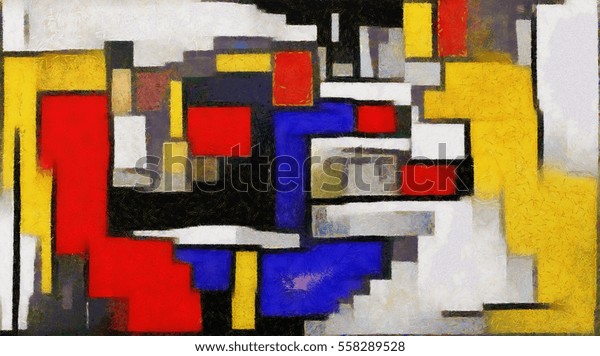
https://www.shutterstock.com/es/image-illustration/primitive-cubism-minimalist-story-vivid-colours-558289528

Primitive cubism. The minimalist story in vivid colours. Modern pop art Made in oil on canvas in the style of Piet Mondrian. Suitable for the concept of interior design or wall poster.

Monday, October 29, 2018

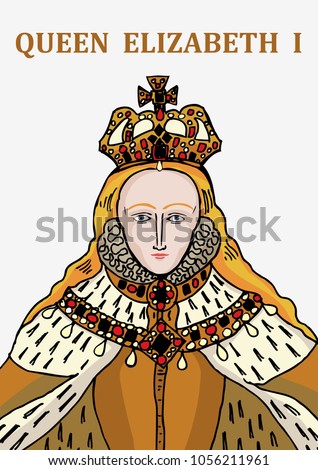
Elizabethan era.

Elizabethan era was an important for history. Many different events happened during this period.

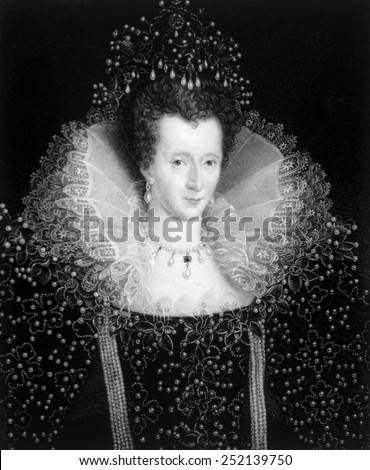
Queen Elizabeth I of England was coronated on January 15, 1559. Also, Elizabethan era was called a golden age. Because culture development during this era.

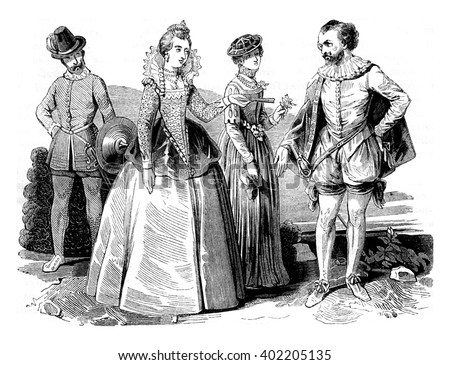
Big dresses and collars were very fashionable during this historian period.

Travellers found new lands in the world. England had conflicts with other countries, too. New things about religion appeared.

Elizabeth I died on March 24, 1603. Queen's nephew became king after her.

Source of image:

https://www.shutterstock.com/de/image-vector/hand-drawn-vector-illustration-historically-famous-1056211961?src=bOMXVLWUnmdROkDIMHZoCQ-1-26

A hand drawn vector illustration of the historically famous Tudor, Queen Elizabeth I.

Source of image:

https://www.shutterstock.com/de/image-illustration/costumes-elizabethan-15651569-vintage-engraved-illustration-402205135?src=P44Z9mg7i_97XIhJys6mTg-1-1

Costumes Elizabethan (1565-1569), vintage engraved illustration. Colorful History of England, 1837.

Source of image:

https://www.shutterstock.com/de/image-illustration/queen-elizabeth-15331603-england-15581603-252139750?src=scUWAPAE5xuHVWBtMcAdvA-3-16

Queen Elizabeth I (1533-1603), Queen of England, 1558-1603.

Wednesday, October 3, 2018

Literature. Part forty three.

                        Frankenstein; or, The Modern Prometheus by Mary Shelley.

Victor Frankenstein was the main character in the book. He was born in Italy. Also, Victor had parents and younger brothers. Character grew up in Switzerland and visited other countries.

When his mother died, Victor studied in Germany. Frankentein met teacher named Robert Walton.

Two years later Victor created a monster. He was afraid of this creature. Frankenstein was ill.

Main character wanted to forget about it. But monster killed his brother. It was a shock for Victor.

Creature and Frankenstein couldn't reach an agreement. Victor married Elizabeth Lavenza, but monster killed her, too.

Some time later character lost his father.

Robert Walton and Victor Frankenstein moved to the North Pole. On the way Victor died. Creature decided to committed suicide because very regretted about own deals.

This novel has parts of romanticism and science fiction. Book was translated to many languages. There are many movies and paintings about this story.
Source of image:

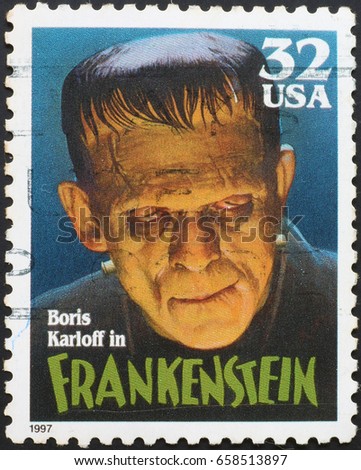
https://www.shutterstock.com/de/image-photo/milan-italy-june-10-2017-frankenstein-658513897?src=jclP1DHymKYkOC6WVWDOMg-2-85

Milan, Italy - June 10, 2017: Frankenstein on american postage stamp

Monday, August 27, 2018

Sport.

Sport is an important part of our life. It's about physical and/or intellectual abilities.

Phycal education is an important lesson. Children can run, have exercises, play in sport games. Also, this lesson is very needs for good health.

Sport is often talked about on television. There are many types of sport such as: tennis, football, figure skating, basketball, gymnastics, and etc. Each of them has its own rules and equipment.

Countries have competitions between each other. Especially during Olymoic Games and FIFA World Cup. One country or Europe has competitions in sport games.

Every sport can be interesting.

Source of image:

https://www.shutterstock.com/ru/image-vector/flat-design-sport-concept-sports-equipment-304691351?src=8pjj60YbndJCh_GJuqZ-Mg-1-16

Flat design sport concept. Sports equipment background.

Source of image:

https://www.shutterstock.com/ru/image-photo/healthy-lifestyle-sports-woman-running-on-255001651?src=8pjj60YbndJCh_GJuqZ-Mg-1-50

healthy lifestyle sports woman running on wooden boardwalk sunrise seaside

Source of image:

https://www.shutterstock.com/ru/image-photo/soccer-ball-goal-110918564?src=8pjj60YbndJCh_GJuqZ-Mg-2-28

soccer ball in goal

Friday, May 4, 2018

Great people: Albert Einstein.

Albert Einstein was born on March 14, 1879, in German Empire. His parents were Hermann Einstein and Paulone Koch. Also, Albert had a younger sister Maja.


Since early childhood Einstein was interested in science and books. He studied in different countries including Switzerland and Czechoslovak Republic.

Young scientinst was interested in many sciences, but especially in physics. Albert Einstein studied this subject very deeply. So, he discovered a general theory of relativity. It was very important for modern physics.

Einstein was married two times and had three children. The scientist studied different things and received many awards. Including Nobel Prize of Physics (1921).


Albert Einstein died on April 18, 1955, in New Jersey, the USA.

Monday, March 19, 2018

Age of Discovery.

Age of Discovery, also known as Age of Exploration began from XV to XVII centuries. On this period people did a lot of discoveries in other continents.

Christopher Columbusreached the New World in 1492. It was a very important for history. Many years later people found new land in the world. People wanted to find goods for themselves.

Every country of the New World has its own history.

Italian explorer Marco Polo visited China in XIII century. He saw another civilization in the world. He found new things in this country. So, new foods and things from China appeared in  Europe, such as: ice cream, crane, noodle, and etc.
Maps have changed after discoveries of new countries. Ships were needed and important for marine voyages.

Source of image:

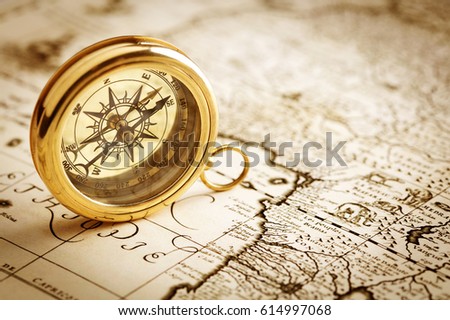
https://www.shutterstock.com/nb/image-photo/compass-on-old-map-614997068?src=jE0v_-HqyHmz9uhnM1mNBg-1-4

Compass on old map

Source of image:

https://www.shutterstock.com/nb/image-photo/vintage-binoculars-travel-concept-302381930?src=jE0v_-HqyHmz9uhnM1mNBg-3-26

Vintage binoculars. Travel concept.

Source of image:

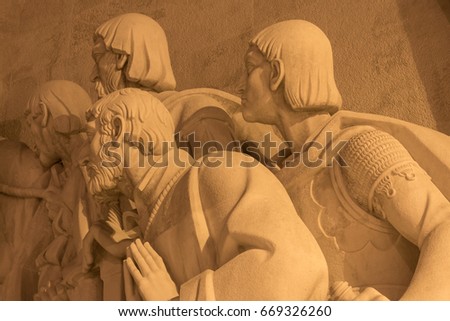
https://www.shutterstock.com/nb/image-photo/lisbon-portugal-june-2017-detail-portuguese-669326260

LISBON, PORTUGAL - June 2017 -Detail of The portuguese discoveries monument (padra?o dos descobrimentos). The monument celebrates the Portuguese Age of Discovery in 15th and 16th centuries


Monday, October 9, 2017

Columbus Day.

At the beginning of October in the United States of America and other New World countries Columbus Day celebrated. This holiday is about Christopher Columbus and his discovery.

After his voyage European people knew about America and New World. Also, they found many different things.

New countries appeared on a new continent.

Source of image:

https://www.shutterstock.com/ru/image-vector/columbus-day-boat-label-vector-calligraphy-329320376?src=uG2w0x78tQOJJGtb93LBUA-1-11

Columbus day boat label. vector calligraphy.

Source of image:

https://www.shutterstock.com/ru/image-vector/happy-columbus-day-handlettering-calligraphy-premium-314112164?src=uG2w0x78tQOJJGtb93LBUA-1-48

Happy Columbus Day hand-lettering calligraphy. Premium Handmade vector Lettering.

Source of image:

https://www.shutterstock.com/ru/image-vector/happy-columbus-day-vector-illustration-700566109?src=uG2w0x78tQOJJGtb93LBUA-2-40

Happy Columbus Day, Vector Illustration

Sunday, September 11, 2016

Great People: Alfred Nobel.

He was born on October 21, 1833, Sweden-Norway. Alfred Bernhard Nobel was the third son of Imanuel Nobel and Caroline Nobel.

In 1842 family moved to Saint Petersburg. When Alfred Nobel was sixteen years old he left city in Russian Empire and went to other countries. Alfred visited several European countries and the United States of America. Two years later young scientist returned to Saint Petersburg.

Alfred Nobel made many important in ventions for the people. A prize is named after him. Alfred Nobel was a fomous person in XIX century. A lot of his inventions are still relevant for us.

Alfred Bernhard Nobel could speak several languages and it helped him make great inventions.

The scientist died on December10, 1896, in Sanremo, Italy.